
You’re shopping for a boat, scrolling through specs, and then you hit it: deadrise: 21°. What does that even mean? Is higher better? Should you care?
Yes – you absolutely should. Deadrise is one of those numbers that quietly controls how your boat feels every time you’re out on the water.
Takeaways
- Deadrise is the angle of your hull’s V-shape, measured from the keel outward
- Higher deadrise (deep-V) = smoother ride in rough water, but less stability at rest
- Lower deadrise = better for calm, shallow water, but a rougher ride in chop
- Most boats use variable deadrise – steeper at the bow, flatter at the ster
- There’s no “best” angle. It all depends on where and how you boat
So What Actually Is Deadrise?
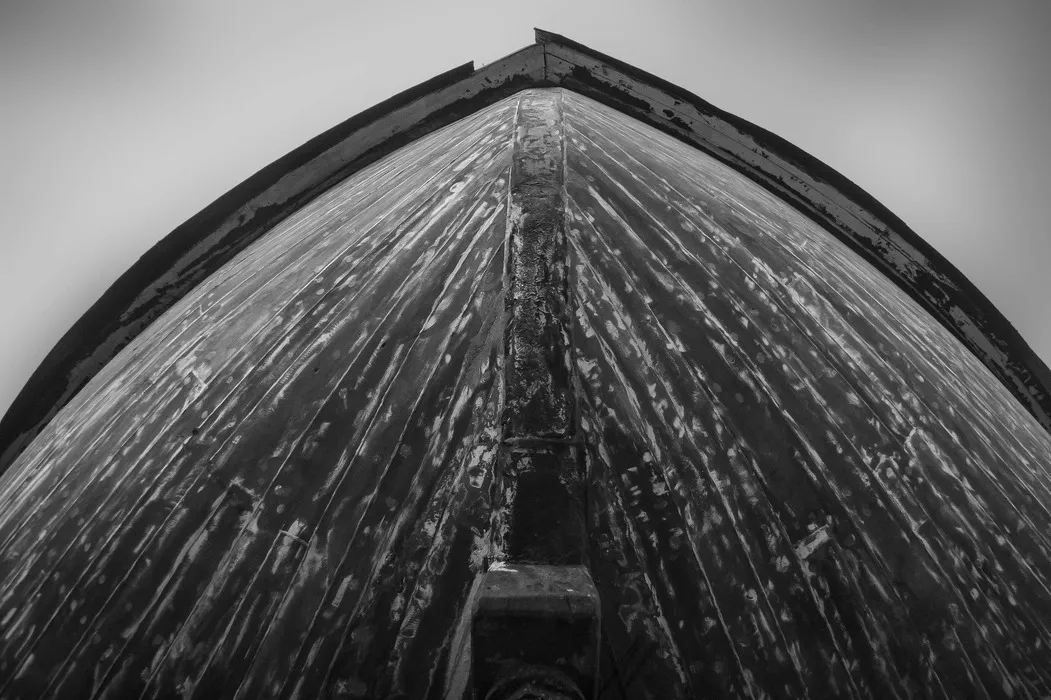
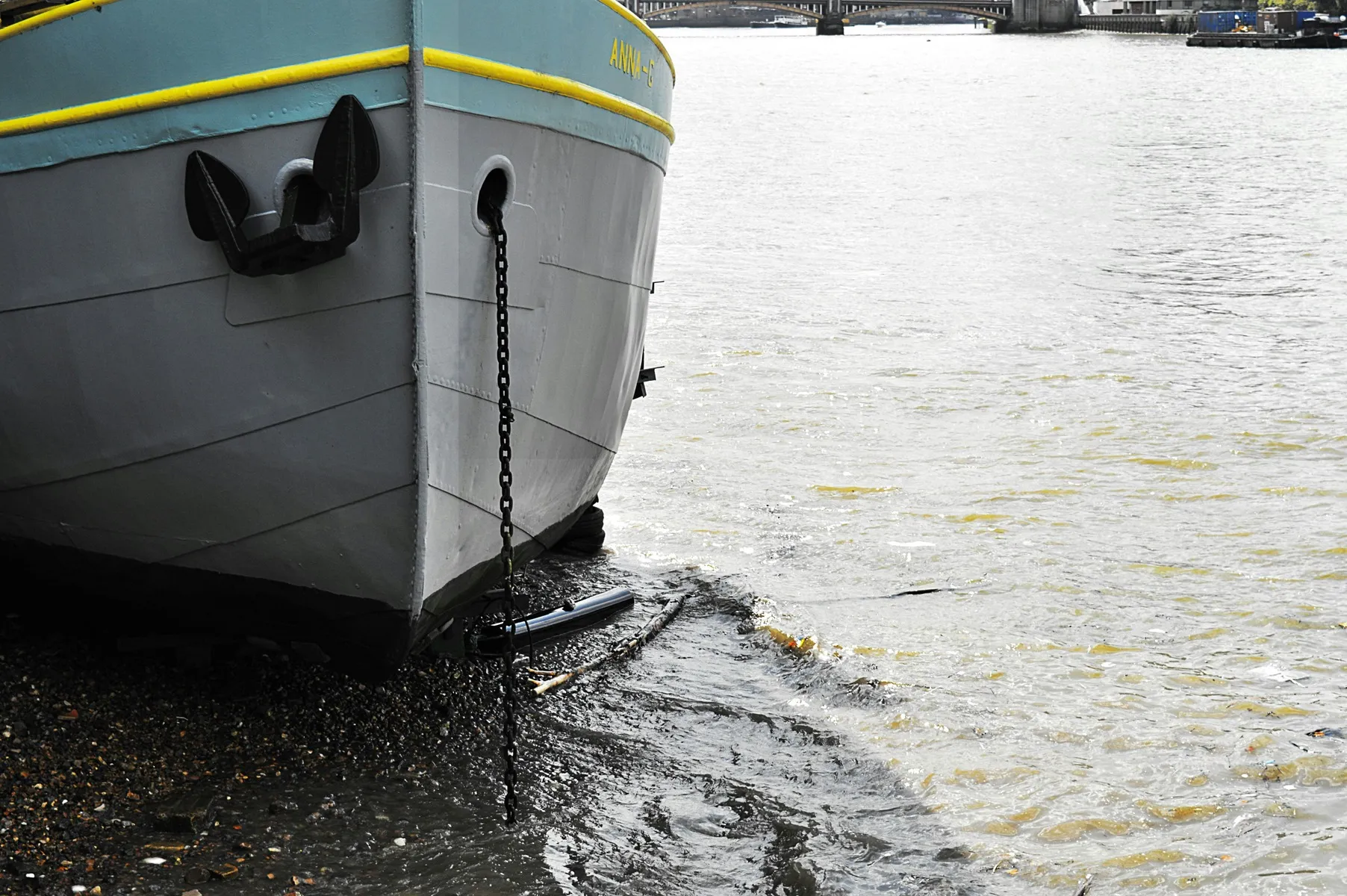
Deadrise is the angle between the bottom of the hull and a horizontal plane, measured from the keel toward the chines. In plain terms: it’s how sharp or flat the “V” is when you look at the bottom of a boat head-on.
On a flat-bottom boat, deadrise is zero degrees. On a deep-V hull, it can be as high as 25 degrees. Most boats sit somewhere in between, and here’s the thing – that number changes along the length of the boat. A boat might have a deadrise of 35 degrees at the front, which slopes to around 25 degrees in the middle, then flattens to 15 degrees near the back. That’s called variable deadrise, and it’s actually a smart design choice – sharp at the bow to slice into waves, flatter at the stern for stability.
The Case for More Deadrise
If you’re running in rough, open water, a higher deadrise hull is your friend.
A boat with increased hull deadrise excels at cutting through rough or choppy water and providing a smooth ride, minimizing the impact of waves and making the journey more comfortable for passengers. Think of it like the difference between a knife and a spoon trying to cut through a steak. The V-shape slices – a flat bottom just smashes.
That’s why you’ll commonly see deadrise figures of 21 degrees or more on boats intended for fast offshore runs, like deep-sea fishing boats. The ride stays manageable even when the seas don’t cooperate.
Higher deadrise also gives you a drier ride. The deep-V hull design pushes water away more effectively, reducing spray and splash that can reach the boat’s occupants. If you’ve ever come back from a trip soaked through on a flat-bottomed boat, you’ll appreciate this immediately.
The Case for Less Deadrise
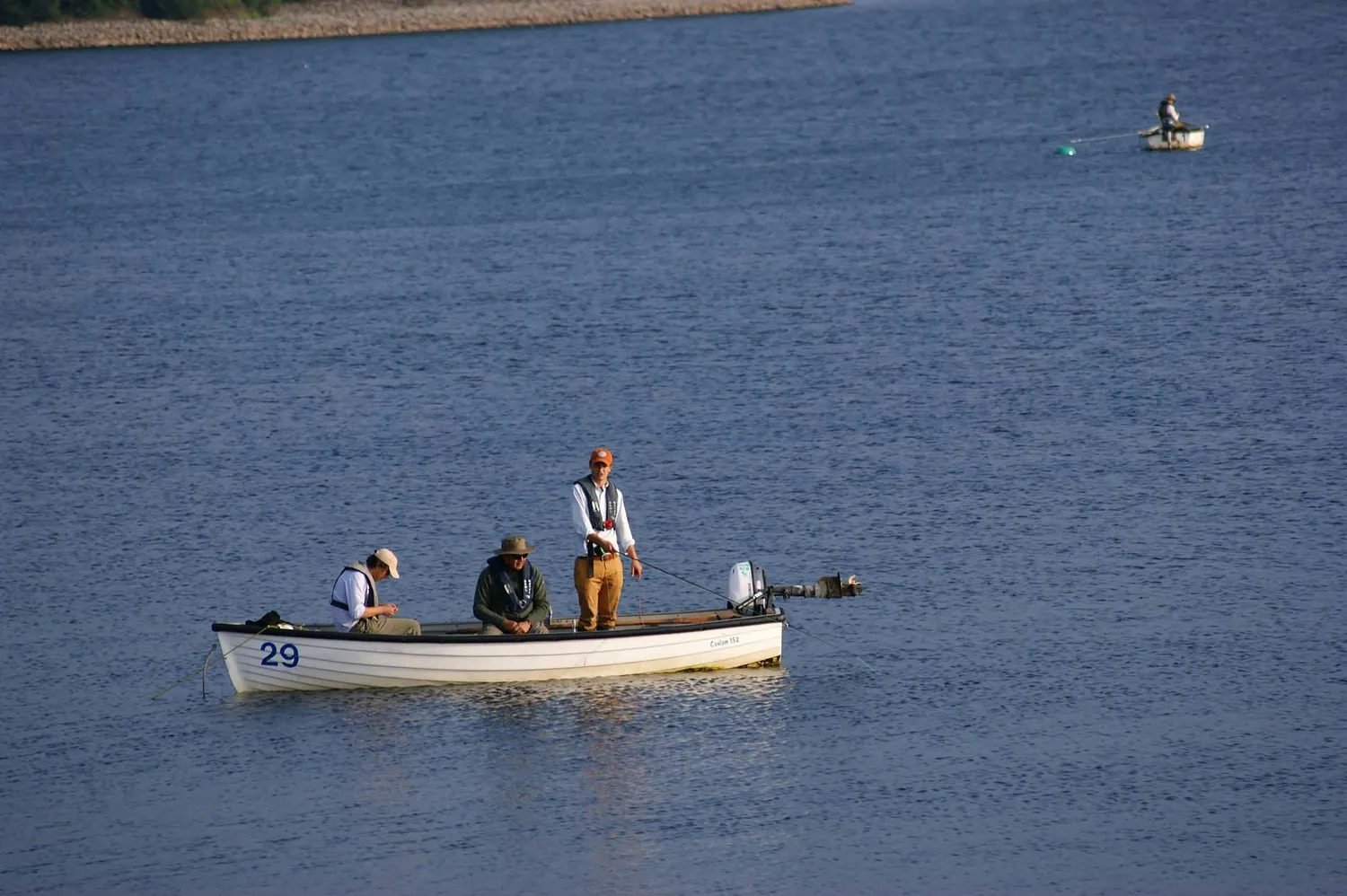
Flat or shallow-V hulls aren’t a compromise. For a lot of boaters, they’re the right call. Many of the most practical types of small boats use flatter hulls because they’re stable, simple, and better suited for calmer water.
For someone who spends their time on protected waterways where waves aren’t usually an issue, a boat with low deadrise offers the best stability, tends to draw very little water, and doesn’t need much power to get onto plane. That’s hard to argue with if you’re fishing calm lakes or navigating marshes.
The stability difference at anchor is real too. Deep-V hulls can roll at rest and lean over when underway, while flatter-bottom boats are generally more stable at rest. If you’re fishing, hosting guests, or just hanging out on the water, that matters more than rough-water performance.
There’s also the fuel and power difference. A higher deadrise hull is heavier, has more wetted surface creating greater friction, and therefore needs more horsepower – it’s slower to get on plane and also has worse fuel economy.
So Which Deadrise Is Right for You?
The honest answer is: it depends entirely on where you boat. Heading offshore into rough, open water regularly? A deep V hull is your best bet. Sticking to calm lakes, shallow flats, or rivers? A lower deadrise hull will serve you far better.
Most buyers end up somewhere in the middle – a semi-V hull between 15 and 20 degrees. It’s not perfect for anything, but it’s decent for most things. And for the average boater, that’s exactly the sweet spot. According to Boating Magazine, your first job as a buyer is to decide on your using conditions – flat water, offshore swells, or fair-weather family trips – and then choose the hull accordingly.