
There are dozens of types of small boats out there, and most of them look pretty similar from the dock. A kayak you know. But a skiff? A RIB? A jon boat? Here’s what separates them.
Takeaways
- Small boats range from human-powered paddle craft to motorised vessels, each suited to specific conditions.
- The right one comes down to three things: where you’ll use it, what you’ll do, and how you’ll store it.
- Most are easy to trailer or car-top, meaning no marina fees and low running costs.
The Paddlers
Kayak
Gets you places no motor can. Solo, quiet, affordable, and excellent exercise. The catch: limited cargo, physically demanding over distance, and you will get wet.
Canoe
More space than a kayak, better for gear-heavy trips or two paddlers. Stable and practical on flat water. Struggles in wind and currents. Less agile than a kayak.
Rowing Boat
Zero mechanical parts to break. Peaceful, cheap, and perfect for a small lake. Slow. Hard work against wind. Not much range.
The Workhorses
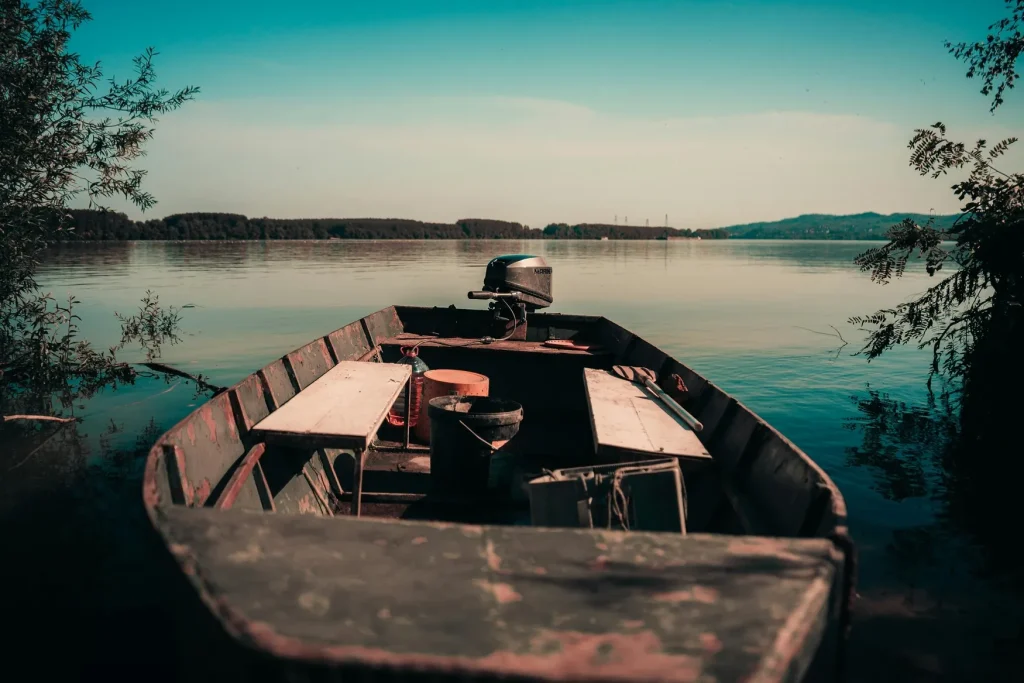
Jon Boat
Shallow draft means it goes where bigger boats can’t. Cheap to buy, easy to maintain, simple to launch. Rough water is not its friend. Flat bottom means a bumpy ride in any kind of chop.
Aluminium Fishing Boat
Lightweight, tough, fuel-efficient, and affordable. Handles open freshwater lakes better than a jon boat. No frills. Not ideal for anything other than fishing.
Bass Boat
Fast, feature-packed, and purpose-built for serious anglers. Rod lockers, live wells, swivel seats – the works. Expensive. Overkill unless you’re fishing regularly or competitively.
The All-Rounders
Skiff
Low maintenance, easy to handle, shallow draft. Works for fishing, cruising, and casual exploring. Basic. Very little shelter or comfort, and choppy offshore conditions will push its limits.
Bowrider / Runabout
Versatile family boat. Good for watersports, day cruises, and general fun on the water. V-hull handles waves well but needs decent depth. Can feel cramped in smaller sizes.
Deck Boat
More interior space than a bowrider. Good for groups and day trips. Wider hull can feel sluggish. Not as nimble as a runabout.
The Inflatables
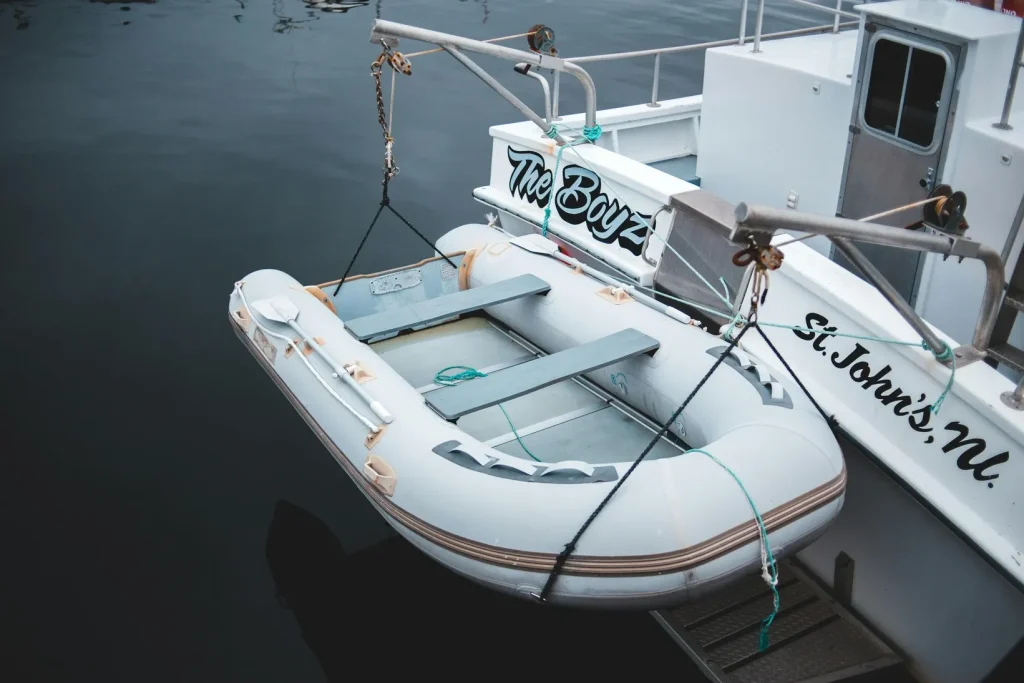
Inflatable Boat
Rolls up into a bag. Easy to store, easy to transport, surprisingly durable. Slower than rigid hulls and handles noticeably worse. Soft floors can be uncomfortable.
RIB (Rigid Inflatable Boat)
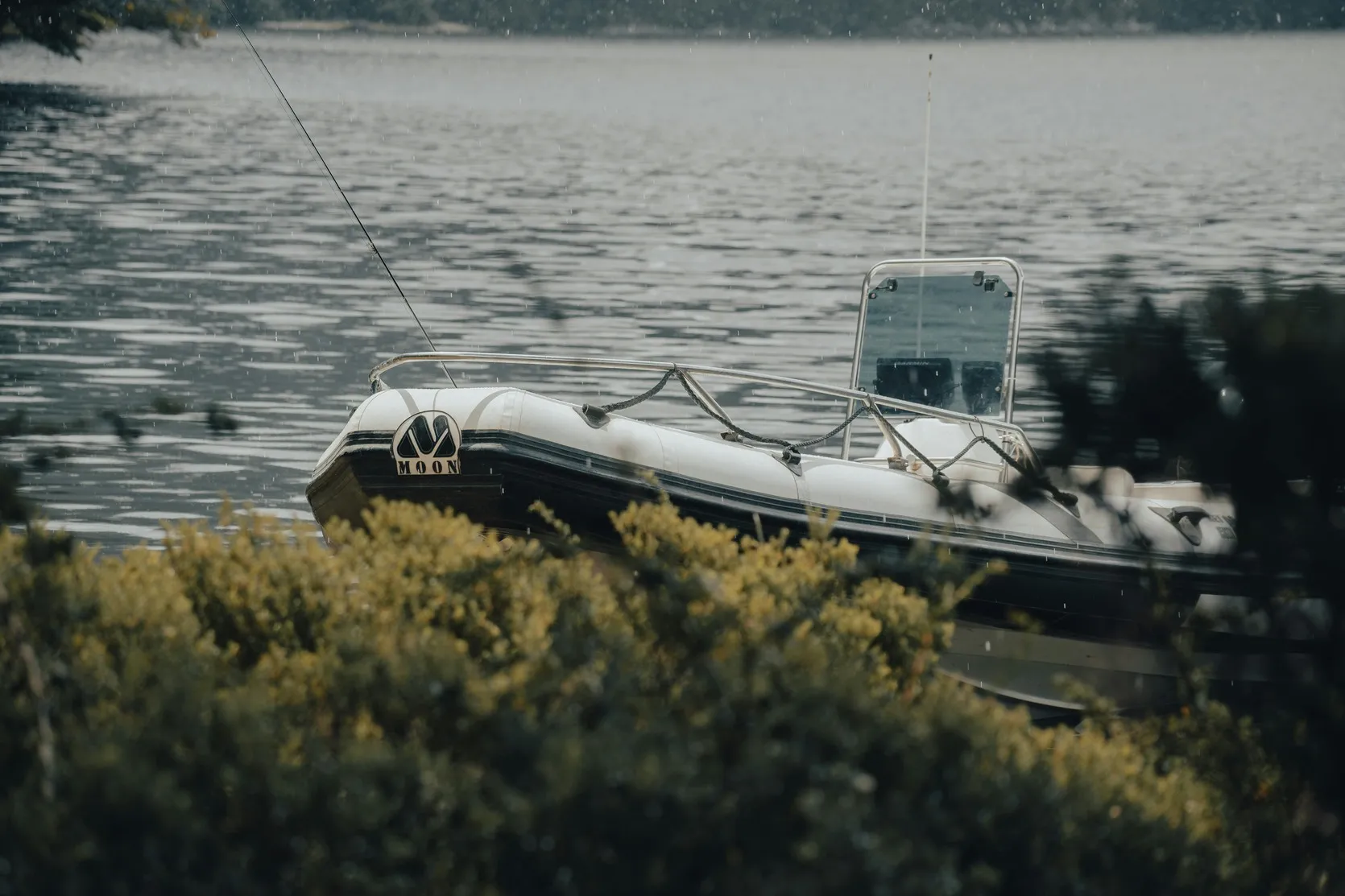
Best of both worlds – stable like an inflatable, performs like a proper boat. Fast, seaworthy, used by coastguards for a reason. Heavier than a soft inflatable. More expensive. Bulkier to store.
The Social Boats
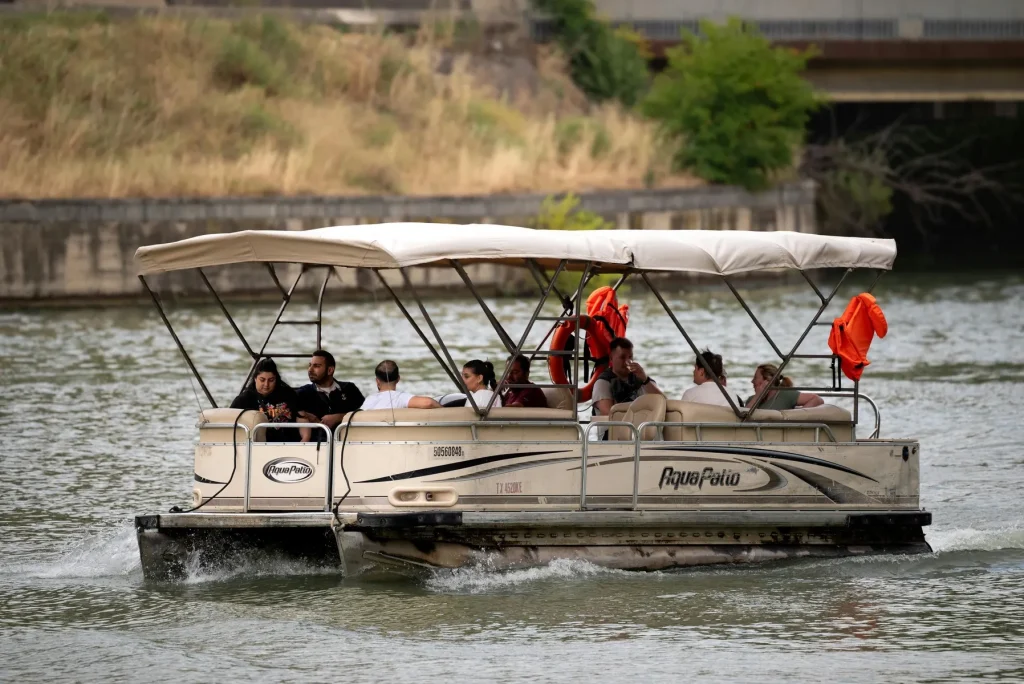
Pontoon Boat
Stable, spacious, and genuinely relaxing. Fits the whole family, easy to handle, perfect for lakes. Slow. Poor in rough or open water. More of a floating deck than a boat in the traditional sense.
The Thrill Seekers
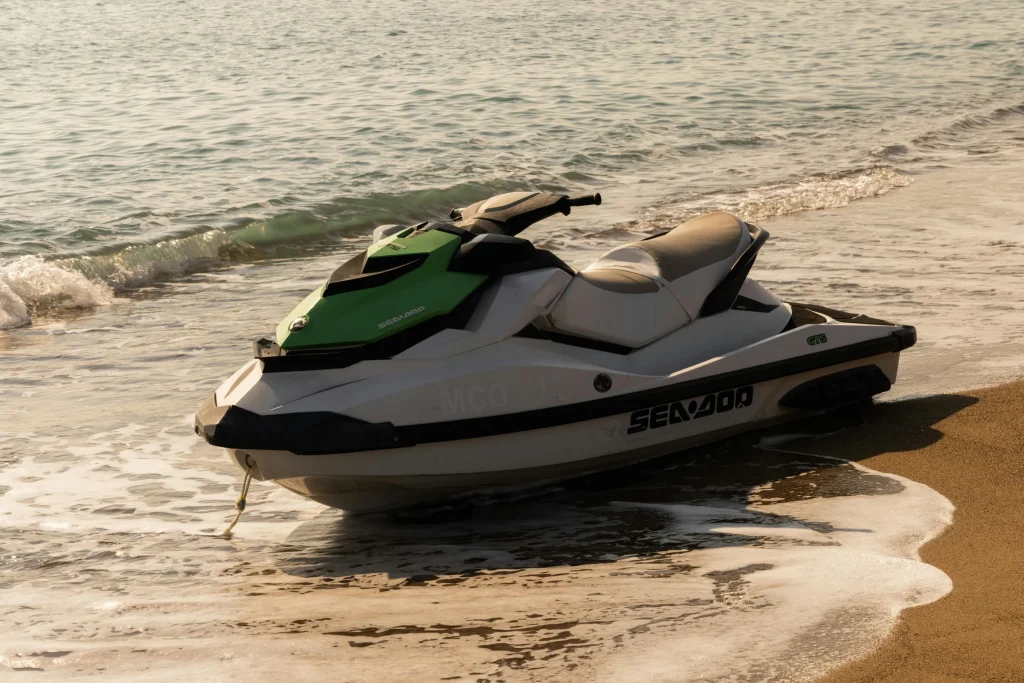
Personal Watercraft (PWC / Jet Ski)
Fast, responsive, and more fun per square foot than almost anything else here. Limited passenger capacity. Tiring over long distances. Neighbours will hear you coming.
Jet Boat
No propeller means safe around swimmers and great in shallow water. Quick and manoeuvrable. Jet propulsion loses efficiency in reverse. Less fuel-efficient than propeller-driven boats at low speed.
The Sailors
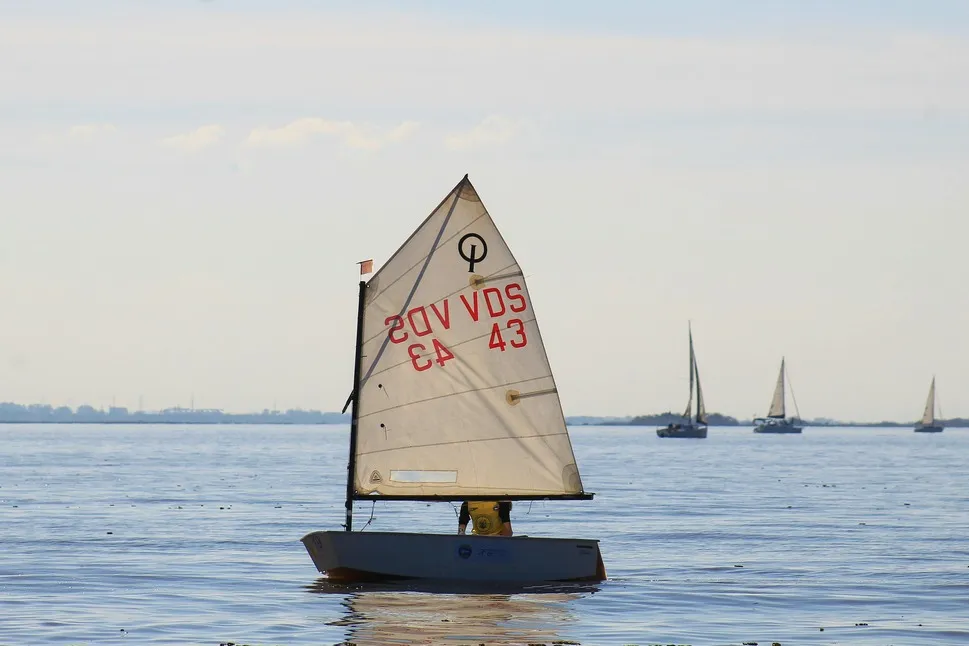
Sailing Dinghy
Cheap to own, incredible to learn on, and physically rewarding. Capsizes easily. Exposed to the elements. A steep learning curve if you’re starting from scratch.
Trailerable Sailboat
More capable than a dinghy, can handle coastal waters and overnight trips. Needs a trailer, rigging time, and more skill to handle. Slower to get on the water than a powerboat.
The Utility Types
Dinghy (as Tender)
Essential if you own a larger boat at anchor. Small, light, and does exactly one job very well. Useless on its own as a primary vessel. Size matters – too small and it’s uncomfortable; too big and it won’t tow.
Car-Topper
No trailer, no registration hassle in most places, stores in a garage with no drama. Tiny capacity. You’re sacrificing almost everything for the sake of convenience.
So which one?
Honestly speaking, the best small boat is the one that fits your real life, not your ideal Saturday. Think about where you’ll use it, how much storage you have, and whether you actually want speed, fishing utility, sailing, or something simple for relaxed days on the water. And if the sailor in your life already knows exactly what kind of boat suits them, this guide to sailing gifts might help you choose something they’ll actually use.